

Effective leadership in social media agencies is crucial for navigating the fast-paced and dynamic nature of the industry. With the constant demand for fresh content and innovative strategies, leaders must not only manage teams but also inspire creativity and collaboration. By fostering an environment that prioritises mentorship, open communication, and goal-setting, agency leaders can empower their teams to produce impactful results. This article explores key strategies for effective leadership that can enhance team dynamics and drive success in social media agencies.
Leadership in social media agencies & the creative industry
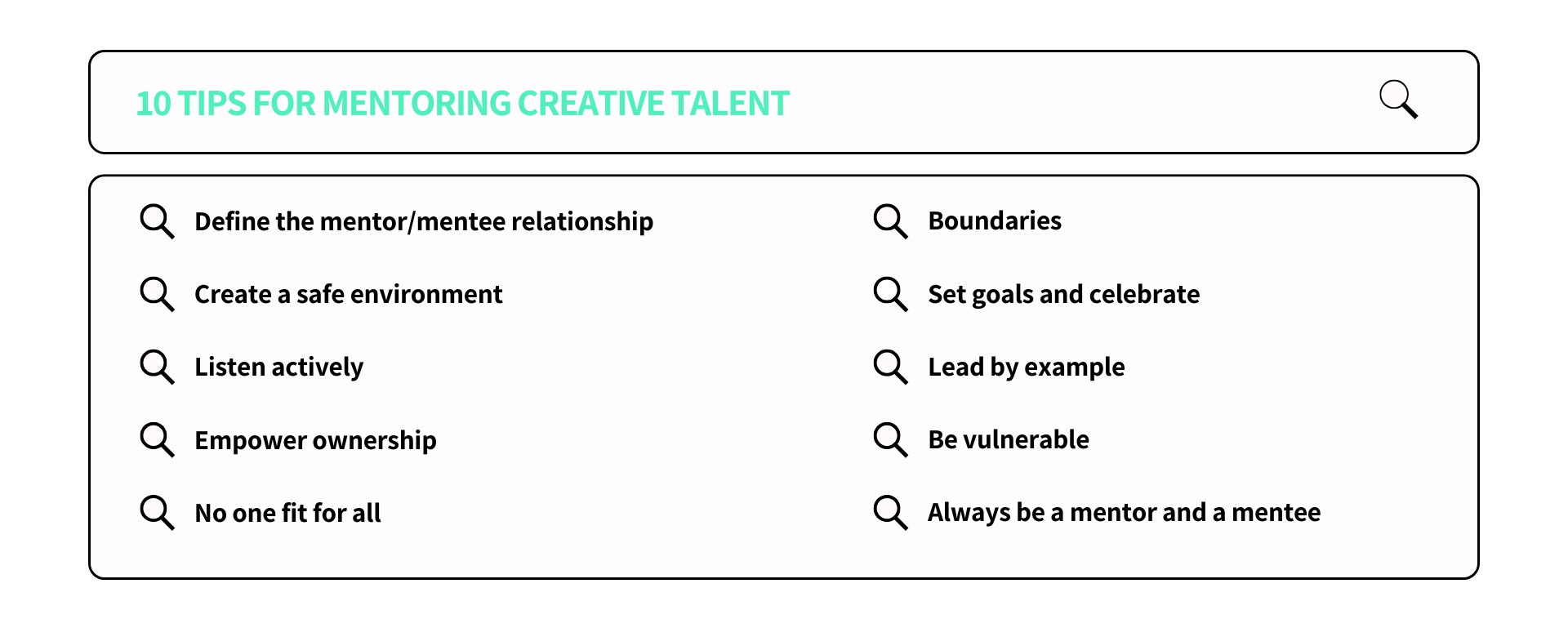
Effective leadership in creative environments, such as social media agencies, requires a nuanced understanding of the dynamics that promote innovation and collaboration. Below are essential strategies and insights that can help shape effective leadership:
Define the mentor-mentee relationship
- Take a moment to reflect on the importance of mentorship within your agency. Establishing clear mentor-mentee relationships fosters growth and knowledge transfer.
- This enables less experienced team members to learn from seasoned professionals. The relationship is founded on trust and mutual respect.
- It paves the way for constructive feedback and ongoing development.
Create a safe environment
- A safe working environment encourages open dialogue and creativity.
- Leaders should actively cultivate a culture where team members feel comfortable sharing ideas and taking risks.
- When employees know their contributions are valued, they are more likely to engage fully. This empowers them to unleash their creative potential.
Listen actively
- Listening is one of the most critical components of leadership. Active listening not only shows respect but also builds rapport within the team.
- By genuinely considering the perspectives and ideas of all stakeholders, leaders can also create more inclusive strategies.
- This approach results in solutions that resonate with everyone.
Empower ownership
- Great leaders empower their teams by fostering a sense of ownership over their projects.
- When team members take responsibility for their work, they are more likely to invest time and effort. This increased investment helps them achieve shared goals.
- Encourage autonomy while providing guidance, allowing individuals to navigate challenges confidently.
No one fit for all
- Recognise that leadership is not a one-size-fits-all approach.
- Different situations and team dynamics may require varied leadership styles.
- Adapt your approach to meet the individual needs of your team members. This ensures that every voice is heard and valued.
Establish boundaries
- While creativity thrives on freedom, it’s essential to set clear boundaries for your team.
- Define expectations and limits to prevent burnout and maintain a healthy work-life balance.
- This clarity helps team members understand their roles and responsibilities. It supports them within the creative process.
Set goals and celebrate
- Goal-setting is crucial in steering your team’s efforts toward impactful outcomes.
- Establish clear, measurable objectives and recognise achievements along the way.
- Celebrating milestones reinforces a culture of success and motivates team members to strive for excellence.
Lead by example
- Exemplary leadership often involves modelling the behaviour expected from team members.
- Display integrity, accountability, and a strong work ethic.
- When leaders demonstrate these qualities, they inspire their teams to adopt similar behaviors, fostering a collective commitment to excellence.
Learn about how to choose a social media agency in our article series:
Social Marketing Agency: How to choose a digital marketing agency (1/3)
Social Marketing Agency: How to choose a digital marketing agency (2/3)
Social Marketing Agency: How to choose a digital marketing agency (3/3)
Leadership Archetypes
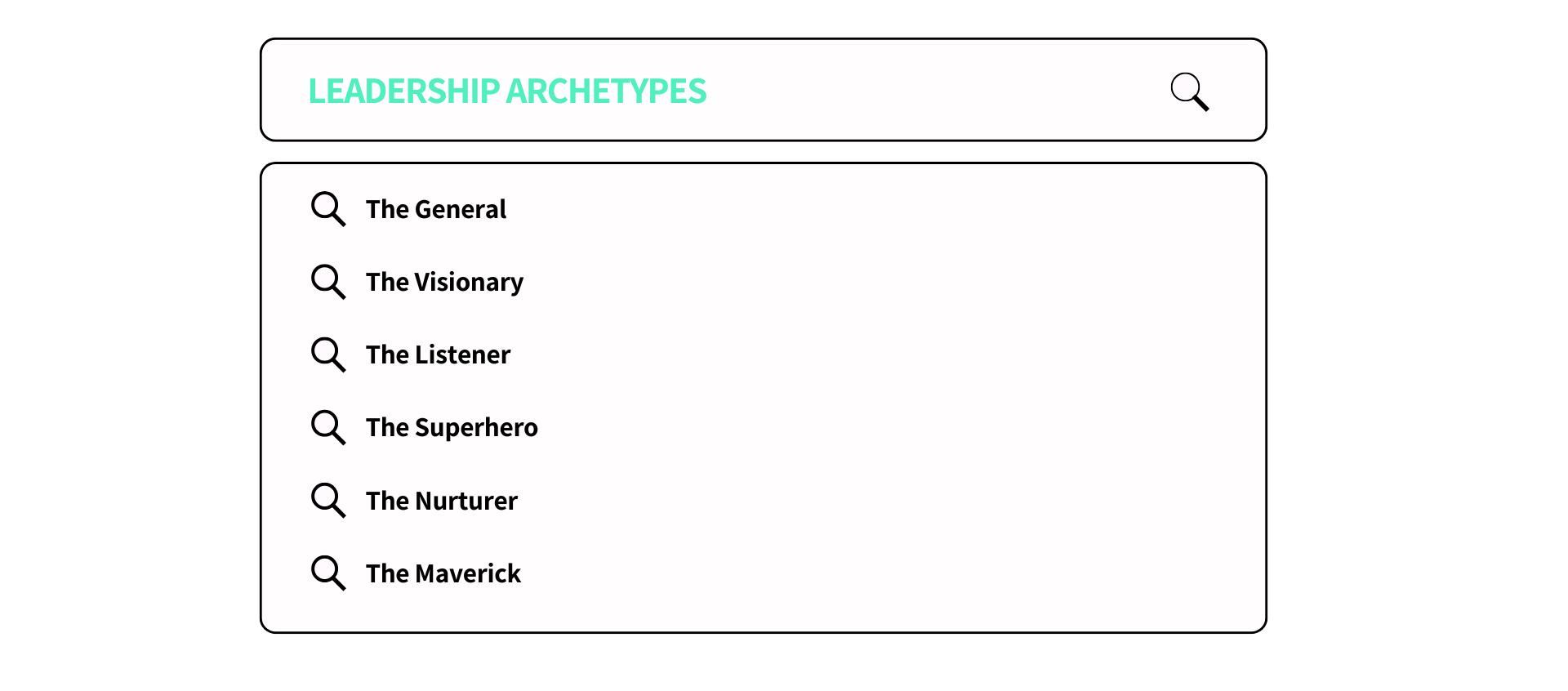
Understanding different leadership styles can help leaders leverage their strengths and mitigate weaknesses. Here are several archetypes commonly found in creative industries:
| Archetype | Strength | Drawback |
|---|---|---|
| General | Delivers quick, firm guidance during high-pressure emergencies. | Relying on it too heavily can suppress team creativity and lower overall motivation. |
| Visionary | Sparks innovative ideas by painting an inspiring picture of what's possible ahead. | Can sometimes neglect pressing day-to-day issues that demand fast resolution. |
| Listener | Promotes inclusive conversation, making sure every perspective from the group is considered. | Can delay progress as time is spent gathering and weighing everyone's input. |
| Superhero | Demonstrates top-tier performance and sets a powerful example of excellence for others. | Tends to dominate attention, which can unintentionally diminish the team's sense of contribution. |
| Nurturer | Invests in people's development and builds lasting capability within the team. | Excessive emphasis on mentoring and support might hinder speed and momentum. |
| Maverick | Drives fresh creativity with unconventional, bold strategies. | Risks breaking team cohesion if limits or alignment aren't well defined. |
By understanding these traits and applying the discussed strategies, leaders in social media agencies can create a vibrant, empowered, and innovative culture that drives success.
Building team morale
Creating a positive and motivated team culture is essential for success in a social media agency. In fact, high morale enhances productivity and fosters a sense of belonging and engagement among team members.
Engage in open dialogue and encourage feedback
- Start by inviting your team to openly share their thoughts and feelings.
- Ask powerful questions like: “What can I do to set you up for success in your role?”. It shows real commitment to their growth.
- When people feel genuinely supported and valued, they take much stronger ownership of their work.
- Build a true culture of feedback by regularly asking, for example,: “Do you ever wish I’d listen better to your ideas and opinions?”; this openness strengthens relationships and creates a collaborative team environment.
Identify unique team strengths
- Recognising the diverse strengths in your team greatly boosts morale.
- Take time to identify the key types among your members:
- Builders: who bring fresh, innovative ideas
- Fixers: who excel at solving problems
- Optimisers: who focus on making things more efficient
- Understanding these natural roles lets you delegate much more effectively.
- When people work in ways that match their real strengths, individual confidence rises and the whole team’s potential is maximised.
Check in on challenges and growth
- Hold regular check-ins to genuinely understand how your team feels about their workload and current challenges.
- Ask open, thoughtful questions, specifically: “Do you feel challenged at work right now?”. These simple conversations often uncover valuable insights about personal growth, job satisfaction, stagnation or feeling overwhelmed.
- When someone is struggling, offer real support and adjust responsibilities as needed → this prevents burnout and builds a strong culture of care where people feel safe sharing challenges and aspirations.
Build connection through personal stories and address deviant behaviours
- When giving feedback, start by sharing personal stories about mentors or coaches who shaped your own journey.
- Opening up with your real experiences makes you more relatable and invites team members to honestly share their own struggles. This gentle vulnerability reminds everyone that learning never stops; therefore, you’re all growing together on the same path.
- At the same time, watch for small signs of off-track or deviant behaviour → address issues early, reinforce accountability, and keep the whole team aligned and contributing positively.
Cultivate joy and fun in the workplace
- Never underestimate how important enjoyment is in the workplace, it directly affects motivation and retention.
- Ask your team members openly: “Are you having a good time or fun on the job right now?”. That simple question often opens up honest conversations about real satisfaction and what’s missing.
- Build in activities that spark camaraderie: team-building exercises, casual events, shared lunches, to lift morale and turn collaboration into a satisfying, enjoyable shared adventure
By implementing these strategies, leaders can create and maintain a high-morale atmosphere favourable to individual growth and team cohesion. A motivated team is better prepared to meet challenges and is more likely to innovate and excel, ultimately driving the agency’s success.
Key takeaways for social media agencies
Prioritise mentorship and psychological safety: Build trust through clear mentor-mentee relationships and an environment where ideas flow freely without fear. This unlocks creativity and boosts team growth.
Lead with adaptability, not a single style: No one leadership archetype fits every situation. Blend visionary inspiration, active listening, supportive development, and decisive action to meet your team’s diverse needs.
Empower ownership while setting clear boundaries: Give team members autonomy over their work, but define expectations and guard against burnout. This balance drives accountability and sustained high performance.
Boost morale through genuine connection and celebration: Regularly check in on challenges, share personal stories, address issues early, and make space for fun. A team that feels valued and enjoys the journey delivers exceptional results.